
When making a label, the first thing to choose is its material. The material of the label determines the final effect and function you want to achieve. You need to choose the corresponding label according to different products and different requirements. Todėl, it is very necessary to know about the material type of the label and the different characteristics corresponding to different materials.
A label sticker generally consists of three parts: bottom material, adhesive, and surface material. The label is peeled off from the backing paper and can be attached to the surface of various items under the action of the adhesive. Šiame straipsnyje bus aptarta etiketės, kurioje pateikiamas turinys, paviršiaus medžiaga.
Rinkoje yra daugybė etikečių medžiagų rūšių, bet apskritai, šios medžiagos yra labiausiai paplitusios: meno popierius, terminis popierius, PVC, PET, ir BOPP. Šiame straipsnyje trumpai supažindinsime su jais 5 bendrosios etikečių medžiagos ir atitinkamos jų charakteristikos bei pritaikymas.
1. Meno popierius
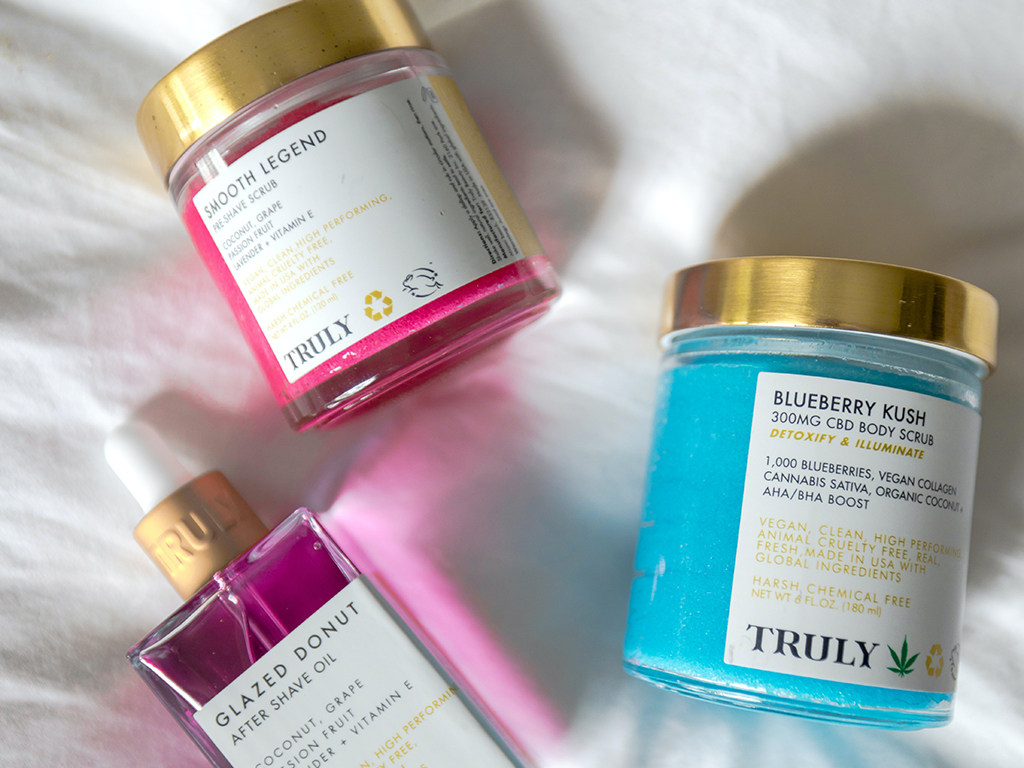
Meninis popierius yra aukštos kokybės spausdinimo popierius, pagamintas iš pagrindinio popieriaus ir dažų kaip pagrindinės medžiagos. Jo gamybos procesas: naudokite popierių kaip pagrindą, užtepkite balto pigmento, adhesive, ir kitas pagalbines medžiagas tolygiai ant pagrindinio popieriaus per dengimo mašiną, tada išdžiovinkite, susukite jį į ritinį ant vyniotuvo, ir tada nusiųskite jį į superkalendorių, kad būtų galima toliau apdoroti kalandravimą.
Savybės: lygus ir lygus popieriaus paviršius, vienoda popieriaus kokybė, geras blizgesys, tvirta danga, greitas rašalo įsisavinimas, didelė spausdintų raštų ir simbolių raiška.
Trūkumai: Jis nėra atsparus vandeniui ir aliejui, etiketė lengvai nukris sušlapus, ir negali būti saugomi ilgą laiką. Jei reikalinga hidroizoliacija, ant etiketės paviršiaus reikia pridėti membranos sluoksnį.
Tipai: pusiau blizgus popierius, labai blizgus popierius, matinis popierius, lengvas popierius, klasikinis popierius, ir tt.
Taikymo laukai: Meno popierius plačiai naudojamas kasdieniame gyvenime. Knygos viršeliai, nuotraukų albumai, o įvairių kasdien naudojamų prekių pakuotės beveik visos pagamintos iš dengto popieriaus. Meno popierių galima pritvirtinti prie daugumos medžiagų, įskaitant kartoną, paviršiaus, plastikinė plėvelė, ir HDPE. Kaip viena iš etikečių medžiagų, jis plačiai naudojamas pusiau blizgių spalvotų etikečių spausdinimui pramoninėje gamyboje. Pavyzdžiui: išorinės dėžutės etiketės, kainų etiketės, maisto produktų etiketės, kosmetikos etiketės, vaistų etiketės, trapios etiketės nuo padirbinėjimo, ir tt.
2. Terminis popierius
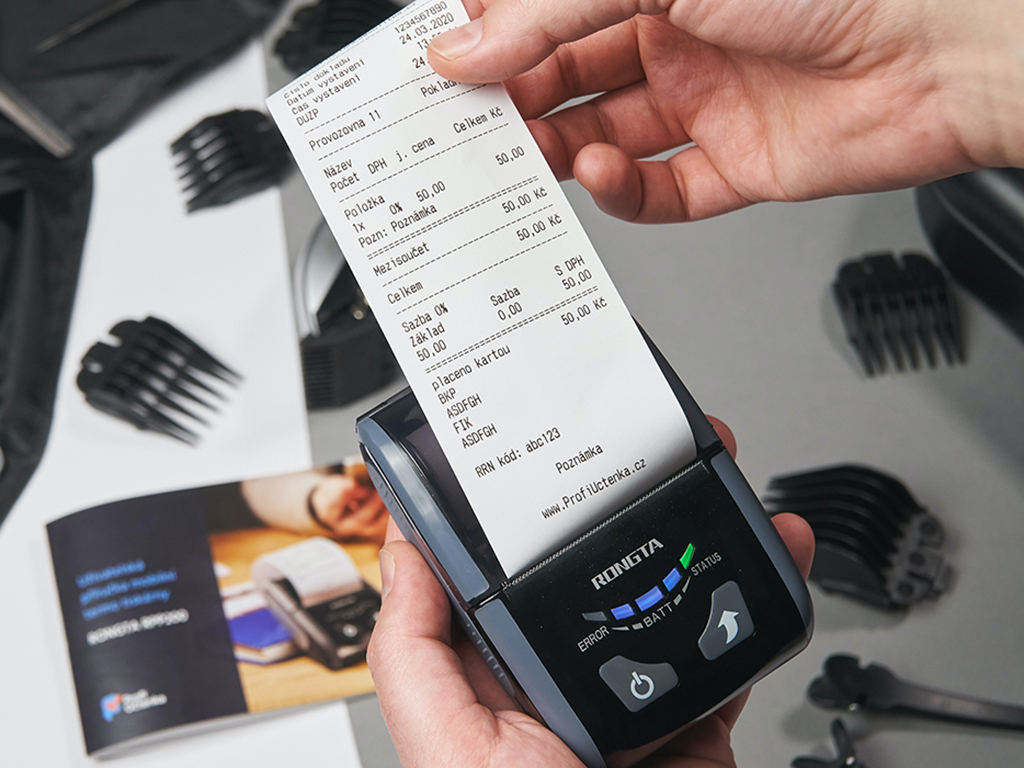
Terminis popierius yra apdorotas popierius, specialiai naudojamas terminiuose spausdintuvuose ir fakso aparatuose. Jo gamybos principas yra padengti sluoksnį “karščiui jautrūs dažai” ant aukštos kokybės pagrindinio popieriaus. Šį dažų sluoksnį dar galima pavadinti keičiančiu spalvą, kurį sudaro daugiau nei tuzinas cheminių medžiagų, tokių kaip bespalviai dažikliai, spalvų kūrėjai, sensibilizatoriai, užpildai, klijai, stabilizatoriai, ir tepalai. Todėl, termopopieriaus gamybai bus keliami aukštesni proceso technologijos reikalavimai.
Gamybos principas: popieriaus pagrindas yra padengtas bespalviu dažikliu fenoliu ar kitomis rūgštinėmis medžiagomis, ir atskirtas plėvele. Kai kaitinama aukštesnėje nei 70°C temperatūroje, bespalvis dažiklis ir spalvų ryškalas vyksta cheminėje reakcijoje, kad susidarytų spalva ir suformuotų grafinius elementus.
Savybės: Geros kokybės terminis popierius gali būti atsparus vandeniui, atsparus aliejui, ir atsparus trinčiai; nereikia anglies juostelės ir rašalo, o eksploatacinių medžiagų kaina nedidelė.
Trūkumai: Spalvota rašysena ant terminio popieriaus yra nestabili, lengva išblukti, ir negali būti saugomi ilgą laiką. Norint apsaugoti gaminio vaizdo kokybę, būtina vengti ilgalaikio poveikio aukštesnėje nei 50°C aplinkoje arba tiesioginių saulės spindulių..
Taikymo laukai: Termopopierius, su kuriuo dažnai susiduriame kasdieniame gyvenime, paprastai yra pirkimo kvitai, kainų etiketės, ir prekių ženklai; jis taip pat gali būti naudojamas fakso aparatuose; medicinoje, jis gali būti naudojamas kaip elektrokardiografiniai brėžiniai ir kiti įrašymo popieriai; taip pat yra loterijos bilietai, logistikos etiketės, ir tt.
3. PVC
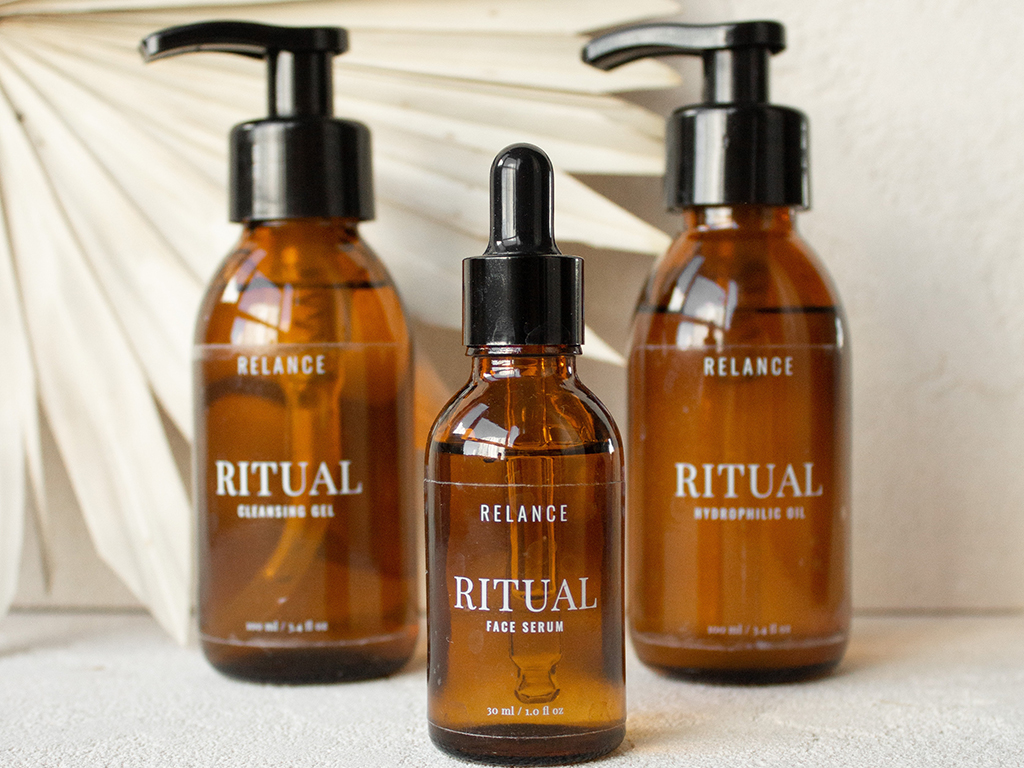
PVC yra polivinilchlorido santrumpa, kuri yra tam tikra polimerinė medžiaga. Pats PVC yra prastai atsparus šviesai ir šilumai, so some auxiliary materials such as plasticizers and anti-aging agents are added in the manufacturing process to enhance its heat resistance, toughness, ductility, ir tt. PVC materials are widely used in electronics, home appliances, automobiles, cheminių medžiagų, and other industries.
Savybės: PVC labels are waterproof, atsparus aliejui, not easy to tear, high temperature resistant, not easy to be corroded by acid and alkali, have strong stability, firm and durable, can adapt to various harsh climates, and can be used outdoors for a long time.
Trūkumai: PVC label material has poor degradability and cannot be recycled, which has a negative impact on environmental protection.
Taikymo laukai: Due to the remarkable advantages and flexibility of PVC materials, labels made of PVC have been widely used in various fields. According to its waterproof and oil-proof characteristics, the label can be applied to products with high environmental requirements, such as cosmetics, toilet supplies, chemical reagent bottles, papuošalai, watches, ir taip toliau. Be to, it is also often used in outdoor places.
4. PET
PET is the abbreviation of polyethylene terephthalate, kuri yra tam tikra polimerinė medžiaga. The PET raw material itself has good hard ductility, and the PET self-adhesive label has effective stiffness and strength, and there will be a sound when flicked. Compared with PVC, PET material is not flexible enough, but PET is easy to degrade, can be recycled, and has no negative impact on the environment.
Savybės: PET material has excellent gas, water and oil barrier properties; high hardness, tear resistance, and scratch resistance; geras blizgesys, resistance to dilute acid, dilute alkali, and most solvents. It is non-toxic, tasteless, hygienic, and safe, and can be directly used in food packaging.
Tipai: matte silver labels, matte white labels, bright silver labels, bright white labels and clear labels.
Taikymo laukai: As a plastic material, it is widely used in various fields such as electronics, automobiles, and machinery industries. Labels are often found on the packaging of wine bottles, kosmetika, food, gėrimai, electrical appliances, and other products.
5. BOPP
BOPP is the abbreviation of Biaxially Oriented Polypropylene. It is a film made by special processing after co-extruding polypropylene particles to form a sheet, and then stretching in both vertical and horizontal directions. BOPP film can be compounded with other materials with special properties to further improve or improve performance. Commonly used mixed materials include PE, CPP, PVDC, aluminum film, ir tt.
Savybės: high hardness, tensile resistance, aging resistance, good transparency; waterproof and oil-proof, unbreakable, wear-resistant; clear printing, bright color, uniform thickness, and luster.
Type: White BOPP, Clear BOPP, Silver/Gold BOPP.
Taikymo laukai: Because of its waterproof, atsparus drėgmei, non-toxic and tasteless characteristics, BOPP labels are widely used in food, gėrimai, kosmetika, skin care products, and pharmaceutical packaging.
How to choose the right label material?
After introducing the above five common label materials, we found that the difference in label materials will directly affect the function of the label. Todėl, labels attached to different products in different industries also need to be selected according to different requirements.
Tada, to choose a suitable label material, we suggest that you start from the following aspects:
1. Select the label according to the material of the product surface.
Labels of different materials will have different effects on different materials of surfaces such as glass, plastiko, metalo, and cardboard. The choice is mainly based on the characteristics of the product and the needs of the merchant.
2. Select the label according to the shape of the product surface.
Apskritai, the surface shape of the product is divided into flat, curved and irregular surfaces. Then if the surface of the product has a certain curvature, it is necessary for the label to have a good fit.
3. Select labels according to the needs of product storage.
The storage of some products has higher environmental requirements, such as supplies for outdoor places. Todėl, it is necessary to consider the waterproof, atsparus aliejui, UV-proof, high-temperature resistance and other factors of the label.
When choosing label materials, we generally consider the following dimensions:
·Material hardness and toughness
·Transparency and gloss of the material
·Waterproof and oilproof ability of the material
·Ink-absorbing effect of the material
·The impact of materials on the environment
ZLLABEL will provide you with more suggestions on material selection according to your product and demand, kviečiame pasikonsultuoti su mumis!


