How To Make a Variable Information Label And What Are Its Applications?

This article will explore the requirements and some applications for the production of variable information labels.
variable information label 2

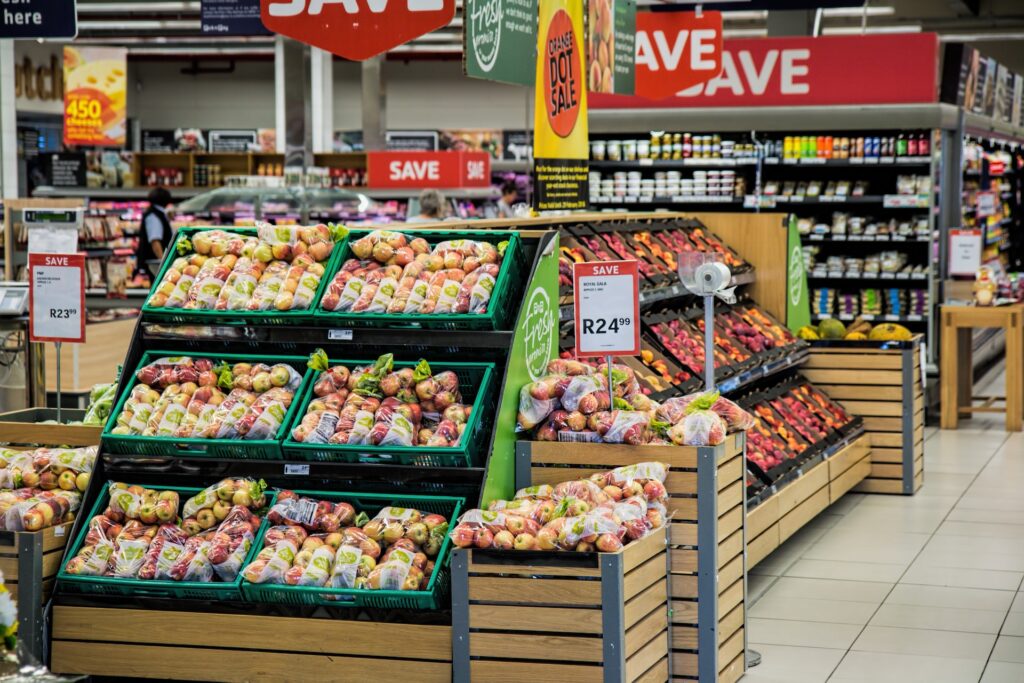
Self-adhesive material labels can be divided into two types, one is called basic label, the pattern and text of the label are fixed and permanently used on various commodities; the other is variable information label, according to its Literally, we can know that it is a label whose content changes continuously with information such as time, quantity, and product type. 例如, price tags used in supermarkets, inbound and outbound labels used in warehouses, and process labels used in production. So for this type of label, what special production requirements does it have compared to ordinary labels? This article will explore the requirements and some applications for the production of variable information labels.

Production Requirements For Variable Information Labels

Compared with ordinary labels, variable information labels have special production requirements due to their dynamic characteristics. These requirements are critical to ensuring accurate and efficient customization of label content. The following are special production requirements for variable information labels:

1. Data management and integration

Variable information labels rely heavily on effective data management and integration systems. Production processes need to be seamlessly integrated with databases or data sources to access real-time and accurate information. Production systems should be able to handle large amounts of data and efficiently retrieve the variable data required for each label.

2. Variable data software

Specialized variable data software is required to incorporate label design templates with variable data obtained from databases or data sources. The software should provide data mapping, formatting, and merging capabilities, ensuring accurate placement and alignment of variable information on labels.

3. Digital printing technology

The production of variable information labels usually requires digital printing technology. Digital printing allows unique information to be printed on-demand on each label without the need for individual printing plates. It offers flexibility, high-speed printing, and excellent print quality, enabling efficient customization of label content.

4. Quality Control and Accuracy

Due to the dynamic nature of variable message labels, maintaining high print quality and accuracy is critical. Quality control measures, such as regular calibration of printing equipment and monitoring of printing consistency, are necessary to ensure the legibility, readability, and durability of variable information on labels.

5. Security and Data Privacy

Variable information tags may contain sensitive or confidential data such as serial numbers, personalization details, or verification codes. 所以, strong security measures must be implemented throughout the production process to protect the integrity and privacy of mutable data. This includes secure data storage, encryption techniques, and access control mechanisms.

6. Scalability and efficiency

Variable information tags are often used in high-volume production environments. 所以, the production process should be scalable and efficient to handle a large number of labels with varying content. Fast turnaround times, minimal setup requirements, and streamlined workflows are critical to efficiently meeting production demands.

7. Precautions for label materials

The choice of label material is critical for variable message labels. Labels should be selected based on specific application requirements, taking into consideration factors such as durability, resistance to environmental conditions (e.g. temperature, humidity, 化學品), and adhesion to various surfaces. Label materials should be compatible with the printing technology used and ensure optimum print quality and longevity.

To sum up, the production of variable information labels requires efficient data management, special software, digital printing technology, quality control measures, data security measures, and scalability considerations. These requirements ensure accurate, customizable and high-quality label production to meet the dynamic demands of variable information labels.

Application Of Variable Information Labels

supermarket label

Variable information labels have different applications in all aspects of life. Here are some examples of common application areas:

1. Product Packaging and Labeling

Variable information labels are widely used in product packaging and labeling in various industries. They provide a platform to display important product information such as batch numbers, expiration dates, nutritional facts, ingredient lists, and safety warnings. This ensures compliance with regulations, facilitates product traceability, and enhances consumer safety.

2. Shipping and Logistics

Variable information labels play a vital role in the shipping and logistics industry. They are used for package tracking, providing unique identifiers such as barcodes or QR codes that can be scanned at different stages in the supply chain. This enables real-time tracking, efficient inventory management and improved logistics operations.

3. Inventory Management

Variable information tags are valuable in inventory management systems. Each tag can carry specific information, such as SKU codes, serial numbers or RFID tags, allowing products to be accurately and efficiently tracked throughout the supply chain. This helps in stock control, stock replenishment and reducing errors in stock management.

4. Personalized Marketing

Variable message tags offer the opportunity to personalize marketing campaigns. By including customer names, personalized messages, or targeted offers on tags, businesses can create more engaging and personalized customer experiences. This improves brand loyalty, customer engagement, and overall marketing effectiveness.

5. Pharmaceutical and Healthcare

In pharmaceutical and healthcare, variable information labels are used for drug packaging and patient identification. Labels can include patient-specific information, dosage instructions, warnings, and expiration dates. This ensures medication safety, reduces errors, and improves patient care.

6. Retail and Consumer Goods

Variable message labels are widely used in the retail and consumer goods industries. They can be used for price tags, promotional offers, product information, and barcodes for efficient point-of-sale scanning. Labels can also be customized to reflect product variations, sizes or flavors for easy consumer identification and selection.

7. Event Management and Ticketing

Variable information tags find applications in event management and ticketing systems. They can be used to print unique ticket numbers, seat assignments, event schedules and access codes. This facilitates smooth entry management, enhances security, and provides a personalized experience for attendees.

8. Industrial Equipment and Maintenance

Variable information tags are used on industrial equipment and machinery for maintenance and service. Labels can include equipment specifications, maintenance schedules, warranty information and safety guidelines. This facilitates efficient maintenance planning, equipment traceability and compliance with safety regulations.

9. Security and Authentication

Variable information tags can contain security features such as holograms, tamper-evident seals, or unique identifiers for authentication purposes. They are used in various industries for anti-counterfeiting measures, product authentication, and brand protection.

10. Laboratory and scientific research

In laboratory environments, variable information labels are used for sample identification, tracking and organization. Labels can contain information such as sample names, dates, experimental conditions or test parameters. This ensures accurate sample tracking, reduces errors and improves data management in scientific research.

These applications demonstrate the versatility and importance of variable information labels in all aspects of life, from everyday consumer goods to critical areas such as healthcare, logistics and security. By understanding diverse applications and changing needs, manufacturers and businesses can effectively utilize variable information tags to enhance their operations and provide their customers with a personalized experience.

還有更多探索

可移動標籤

揭示可移動標籤的藝術

在本文中, 我們深入研究可移動標籤的複雜性, 揭開其材料的神秘面紗, 探索不同的應用程序, 並揭示使用中遇到的共同挑戰.

電池標籤

如何選擇合適的電池標籤?

在本指南中, 我們將通過深入了解哪些電池標籤,為您提供有關選擇電池標籤的建議, 材料要求, 以及如何選擇可靠的標籤製造商.

ZLLABEL 正在根據適用的法律和法規開展其活動,並避免簽訂反競爭協議

ZLLABEL 正在根據適用的法律和法規開展其活動,並避免簽訂反競爭協議 12 ZLLABEL 正在根據適用的法律和法規開展其活動,並避免簽訂反競爭協議, ZLLABEL 正在根據適用的法律和法規開展其活動,並避免簽訂反競爭協議 ZLLABEL 正在根據適用的法律和法規開展其活動,並避免簽訂反競爭協議.

ZLLABEL 正在根據適用的法律和法規開展其活動,並避免簽訂反競爭協議, ZLLABEL 正在根據適用的法律和法規開展其活動,並避免簽訂反競爭協議 ZLLABEL 正在根據適用的法律和法規開展其活動,並避免簽訂反競爭協議, 它提供了更詳細的表格, 它提供了更詳細的表格.