制作标签时, the first thing to choose is its material. The material of the label determines the final effect and function you want to achieve. You need to choose the corresponding label according to different products and different requirements. 所以, 了解标签的材质类型以及不同材质对应的不同特性是非常有必要的.
标签贴纸一般由三部分组成: 底部材质, 粘合剂, 和表面材料. The label is peeled off from the backing paper and can be attached to the surface of various items under the action of the adhesive. And this article is going to discuss the surface material of the label that presents the content.
There are many kinds of label materials on the market, 但一般来说, these materials are the most common: 艺术纸, 热敏纸, PVC, 宠物, 和双向拉伸聚丙烯. This article will briefly introduce these 5 common label materials and their respective characteristics and applications.
1. 艺术纸

Art paper is a high-grade printing paper made of base paper and paint as the main materials. 其生产工艺流程: 以纸为基底, 涂抹白色颜料, 粘合剂, and other auxiliary materials evenly on the base paper through the coating machine, 然后将其干燥, roll it into a roll on the winder, and then send it to the supercalender for further processing calendering.
特征: smooth and flat paper surface, 纸张质量均匀, 光泽好, 坚固的涂层, 吸墨快, high definition of printed patterns and characters.
缺点: It is not waterproof and oil-proof, the label is easy to fall off after being wet, and cannot be stored for a long time. If waterproofing is required, 标签表面应加一层薄膜.
类型: semigloss paper, 高光纸, matte paper, lightweight paper, classical paper, ETC.
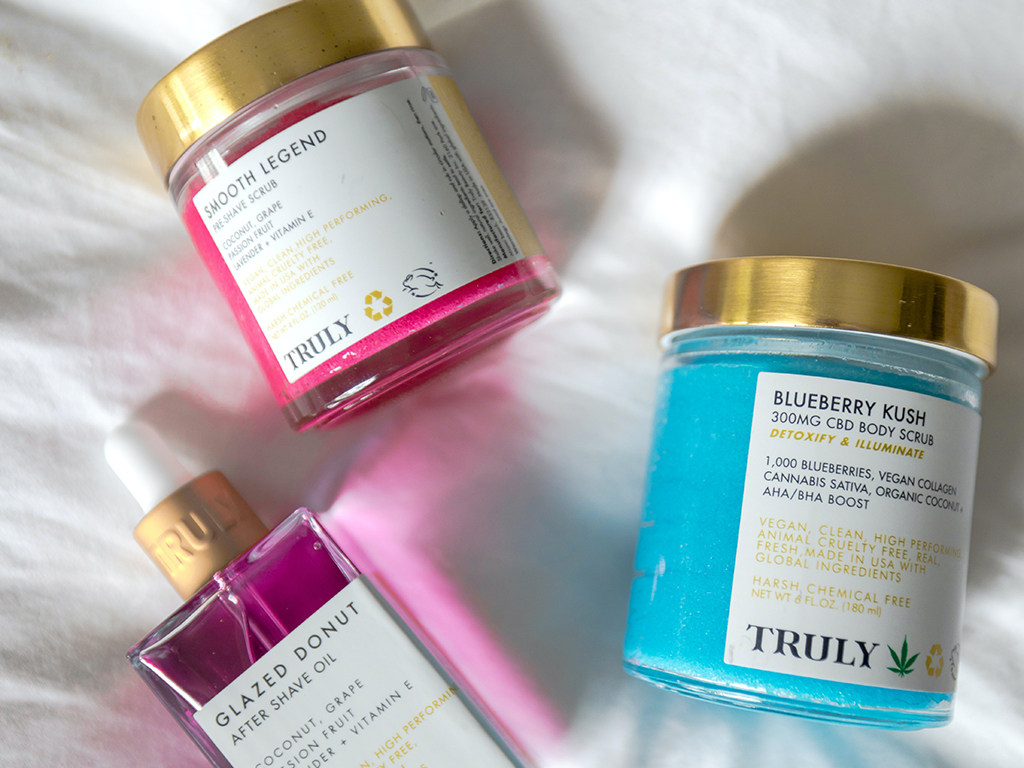
应用领域: Art paper is widely used in daily life. The book covers, 画册, 而我们日常使用的各种商品的包装几乎都是由铜版纸制成的. 艺术纸可以附着在包括纸板在内的大多数材料的表面, 塑料薄膜, 和高密度聚乙烯. As one of the label materials, 广泛应用于工业生产中的半光彩色标签印刷. 例如: 外盒标签, 价格标签, 食品标签, 化妆品标签, drug labels, fragile anti-counterfeiting labels, ETC.
2. 热敏纸

Thermal paper is a processed paper specially used in thermal printers and thermal fax machines. Its manufacturing principle is to coat a layer of “热敏涂料” 采用优质原纸. This layer of paint can also be called a color-changing layer, which is composed of more than a dozen chemicals such as colorless dyes, 色彩开发商, 敏化剂, 填料, 粘合剂, 稳定剂, 和润滑剂. 所以, the manufacture of thermal paper will have higher requirements on process technology.
生产原理: the paper base is coated with colorless dye phenol or other acidic substances, 并用薄膜隔开. 加热70℃以上条件下, the colorless dye and the color developer undergo a chemical reaction to produce color and form graphics.
特征: 优质的热敏纸可以防水, 防油, 并且耐摩擦; no carbon ribbon and ink is needed, and the cost of consumables is low.
缺点: The colored handwriting on thermal paper is unstable, 容易褪色, and cannot be stored for a long time. It is necessary to avoid long-term exposure to environments above 50°C or direct sunlight to protect the image quality of the product.
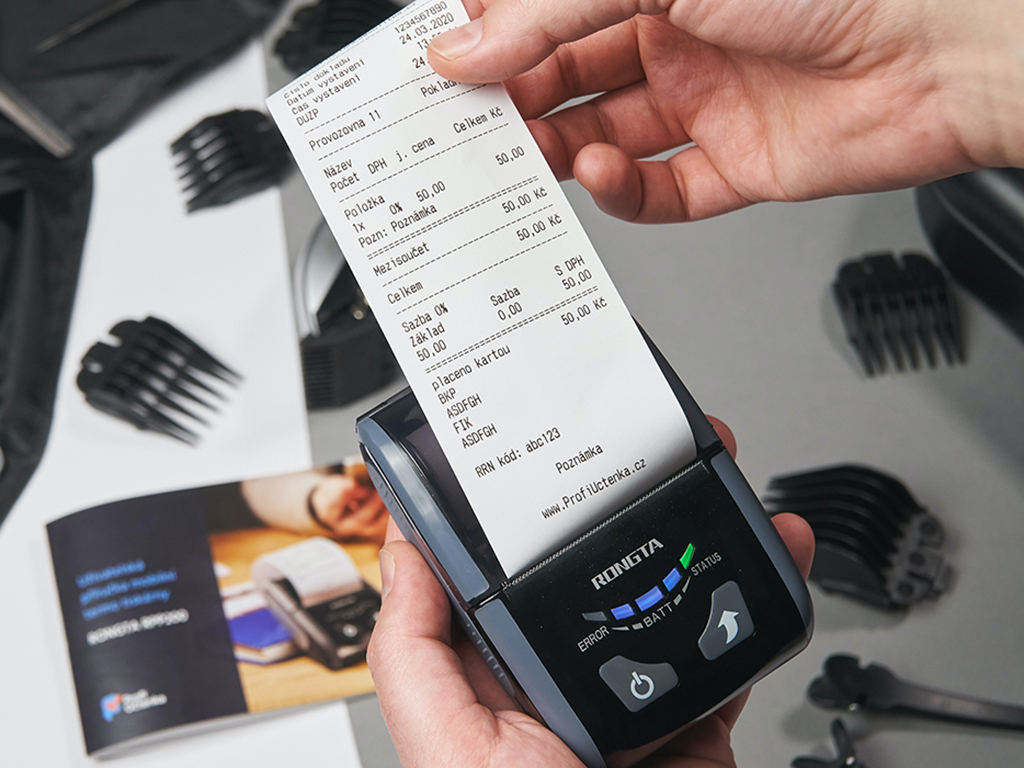
应用领域: Thermal paper that we often come into contact with in our daily life is generally shopping receipts, 价格标签, 和商标; it can also be used in fax machines; 在医学上, it can be used as electrocardiographic drawings and other recording papers; there are also lottery tickets, 物流标签, ETC.
3. PVC

PVC is the abbreviation of Polyvinyl Chloride, which is a kind of polymer material. PVC itself has poor stability to light and heat, 所以在制造过程中添加了一些增塑剂、抗老化剂等辅助材料来增强其耐热性, 韧性, 延展性, ETC. PVC materials are widely used in electronics, 家电, 汽车, 化学品, 及其他行业.
特征: PVC labels are waterproof, 防油, 不易撕破, high temperature resistant, not easy to be corroded by acid and alkali, 具有很强的稳定性, 坚固耐用, can adapt to various harsh climates, and can be used outdoors for a long time.
缺点: PVC标签材料可降解性差,无法回收利用, 从而对环境保护产生负面影响.
应用领域: 由于PVC材料的显着优点和灵活性, PVC材质的标签已广泛应用于各个领域. 根据其防水、防油的特点, 该标签可适用于环保要求高的产品, 比如化妆品, 厕所用品, 化学试剂瓶, 珠宝, 手表, 等等. 此外, it is also often used in outdoor places.
4. 宠物
PET是聚对苯二甲酸乙二醇酯的缩写, which is a kind of polymer material. PET原料本身具有良好的硬延展性, PET不干胶标签具有有效的挺度和强度, and there will be a sound when flicked. 与PVC相比, PET material is not flexible enough, but PET is easy to degrade, 可以回收利用, and has no negative impact on the environment.
特征: PET material has excellent gas, water and oil barrier properties; 高硬度, 抗撕裂性, 和耐刮擦性; 光泽好, resistance to dilute acid, 稀碱, 和大多数溶剂. 它是无毒的, 无味的, 卫生的, 和安全, and can be directly used in food packaging.
类型: 哑光银色标签, 哑光白色标签, 亮银色标签, bright white labels and clear labels.
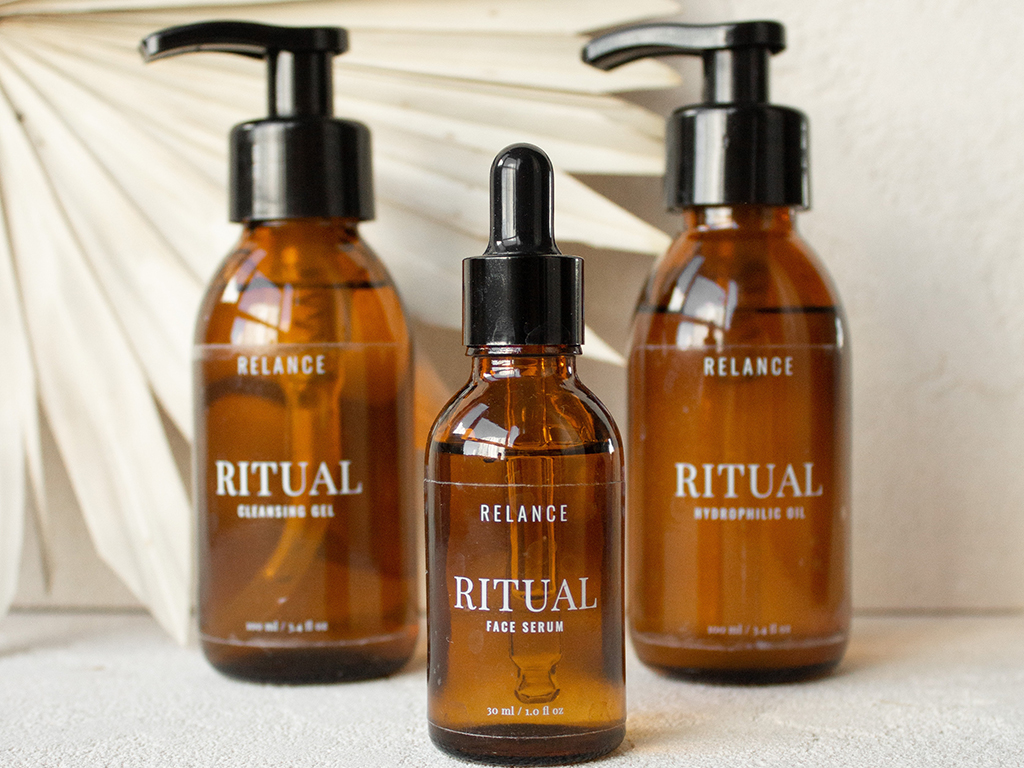
应用领域: 作为塑料材料, 广泛应用于电子等各个领域, 汽车, 和机械工业. 标签经常出现在酒瓶的包装上, 化妆品, 食物, 饮料, 电器, 和其他产品.
5. 双向拉伸聚丙烯
BOPP是双向拉伸聚丙烯的缩写. 是由聚丙烯颗粒共挤出成片材后经特殊加工而成的薄膜, 然后在垂直和水平方向上拉伸. BOPP薄膜可与其他具有特殊性能的材料复合,进一步改善或提高性能. Commonly used mixed materials include PE, 消费者保护计划, 聚偏二氯乙烯, 铝膜, ETC.
特征: 高硬度, 抗拉强度, 耐老化, 透明度好; 防水防油, 牢不可破, 耐磨; 清晰的印刷, 颜色鲜艳, 厚度均匀, 和光泽.
类型: 白色BOPP, 透明双向拉伸聚丙烯, 银/金BOPP.
应用领域: Because of its waterproof, 防潮, non-toxic and tasteless characteristics, BOPP labels are widely used in food, 饮料, 化妆品, 护肤品, and pharmaceutical packaging.
How to choose the right label material?
介绍完以上五种常见的标签材料, 我们发现标签材料的不同会直接影响标签的功能. 所以, 不同行业不同产品所贴的标签也需要根据不同的要求来选择.
然后, to choose a suitable label material, 我们建议您从以下几个方面入手:
1. 根据产品表面材质选择标签.
不同材质的标签在玻璃等不同材质的表面上会有不同的效果, 塑料, 金属, 和纸板. 选择主要根据产品的特点和商家的需求.
2. 根据产品表面形状选择标签.
一般来说, the surface shape of the product is divided into flat, curved and irregular surfaces. 那么如果产品的表面有一定的曲率, it is necessary for the label to have a good fit.
3. 根据产品储存的需要选择标签.
部分产品的储存对环境要求较高, such as supplies for outdoor places. 所以, it is necessary to consider the waterproof, 防油, 防紫外线, 标签的耐高温等因素.
When choosing label materials, we generally consider the following dimensions:
·Material hardness and toughness
·Transparency and gloss of the material
·材料的防水、防油能力
·Ink-absorbing effect of the material
·The impact of materials on the environment
ZLLABEL将根据您的产品和需求,为您提供更多选材建议, 欢迎咨询我们!