
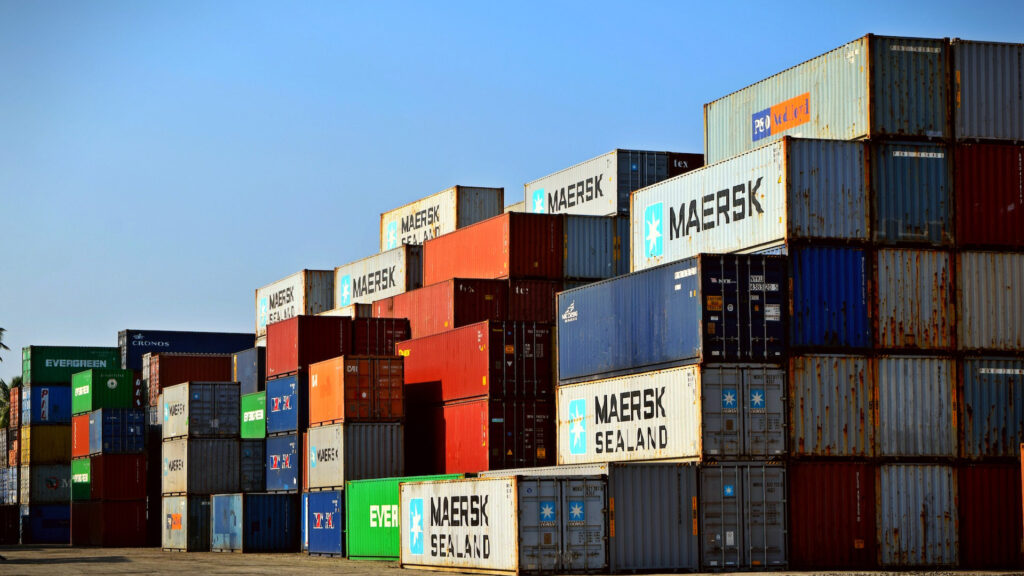
As global supply chains expand and become increasingly complex, container labeling remains integral to ensuring the smooth flow of goods. Container labels play a vital role in the efficient, safe and compliant movement of goods within the supply chain. They serve as a means of communication to provide important information to the various stakeholders involved in the logistics process, including manufacturers, cov neeg faib khoom, handlers and consumers. This article will discuss the important role of container labels and what are their basic requirements.
The role of container labels
Marks and labels attached to containers serve various functions throughout the logistics and supply chain process. Here are some common functions of these tags:
(1) Identification and Tracking: The container label provides a unique identifier for the container, which can easily track and trace the goods throughout the transportation and logistics process. These labels typically include barcodes, QR codes or RFID (Radio Frequency Identification) tags that can be scanned or read to obtain information about the container and its contents.
(2) Documentation and Compliance: Some labels may contain important information required for documentation and compliance. This can include details such as the serial number of the container, container type, weight, dimensions and associated shipping or consignment numbers. Such information is critical for customs clearance, legal compliance and ensuring accurate record keeping.
(3) Handling instructions: Some labels will display handling instructions or symbols to guide individuals involved in the transportation process. These instructions may include warnings about fragile or hazardous contents, directional arrows to point in the correct direction, or instructions for safely lifting or stacking the container.
(4) Security and Tamper-Resistant: Containers may have security labels or seals attached to them to prevent tampering or unauthorized access while in transit. These labels are designed to show signs of tampering, such as destruction or alteration, indicating that the container may have been tampered with.
(5) Destination information: Labels usually contain destination details, such as addresses or port codes, kom ntseeg tau tias lub thawv tau raug xa mus rau nws qhov chaw npaj tseg. Cov ntaub ntawv no pab ua thiab xa cov khoom kom zoo, txo qhov yuam kev thiab qeeb.
(6) Cov kev xav tau kev tuav tshwj xeeb: Yog tias cov khoom thauj khoom muaj cov kev xav tau tshwj xeeb, cov lus qhia tshwj xeeb yuav tau qhia rau ntawm daim ntawv lo. Piv txwv li, cov khoom lwj yuav muaj qhov yuav tsum tau ua qhov kub thiab txias, cov khoom phom sij yuav tsum tau ceev faj tshwj xeeb, lossis cov khoom tsis yooj yim yuav xav tau kev ua tib zoo tuav. Cov ntawv lo sib txuas lus cov kev xav tau tshwj xeeb no kom ntseeg tau tias kev ua haujlwm kom zoo thoob plaws hauv kev xa khoom.
Los ntawm kev ua tiav cov haujlwm no, cov ntawv lo thawv ua lub luag haujlwm tseem ceeb hauv kev ua kom muaj txiaj ntsig, kev nyab xeeb thiab ua raws li kev txav ntawm cov khoom, thaum tseem muab cov ntaub ntawv tseem ceeb rau cov neeg muaj feem cuam tshuam nrog cov txheej txheem logistics thiab cov saw hlau.
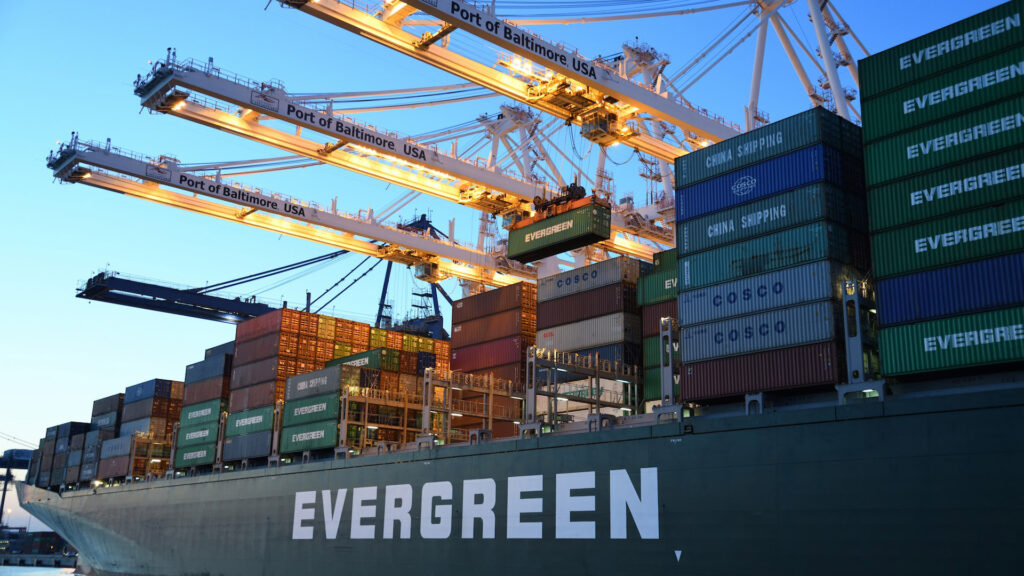
Cov yam ntxwv ntawm cov ntawv lo
As a container label, it needs to be non-shedding, waterproof, friction-resistant, high and low-temperature-resistant, and weather-resistant. If the identification information is destroyed, it will bring a series of troublesome things. Here are some key characteristics that a label should have:
(1) Readability: Container labels should have clear and easy-to-read text, symbols and graphics. They should be easy to read even from a distance or under different lighting conditions. This ensures that handlers and logistics personnel can quickly and accurately understand the information on the label.
(2) Durability: Container labels need to withstand harsh shipping conditions, including exposure to various weather conditions, handling and potential wear and tear. They should be made of durable materials and use a reliable adhesive to keep them intact and readable throughout your journey.
(3) Sufficient size: Labels should be of sufficient size to accommodate all necessary information without sacrificing legibility. Lawv yuav tsum pom thiab loj txaus kom yooj yim luam theej duab lossis nyeem los ntawm barcode scanners, RFID nyeem ntawv lossis phau ntawv soj ntsuam.
(4) Tamper-resistant nta: Qhov twg kev ruaj ntseg yog qhov kev txhawj xeeb, cov ntawv lo ntim yuav koom nrog cov yam ntxwv tiv thaiv kev cuam tshuam xws li cov ntsaws ruaj ruaj ruaj , holograms, lossis cov cim qhia. Cov yam ntxwv no pab nrhiav txhua yam kev sim ua phem thiab muab cov pov thawj pom ntawm kev ncaj ncees ntawm lub thawv thaum thauj mus los.
(5) Barcode lossis RFID compatibility: Txhawm rau ua kom yooj yim rau kev taug qab zoo thiab cov ntaub ntawv ntes, cov thawv ntim yuav suav nrog barcodes, QR codes, lossis RFID cim npe. Cov thev naus laus zis no ua rau tsis siv neeg luam theej duab thiab cov ntaub ntawv ntes, txhim kho qhov nrawm thiab qhov tseeb ntawm kev tswj hwm cov khoom lag luam thiab taug qab.
Los ntawm kev sib koom ua ke ntawm cov haujlwm no, cov ntawv lo thawv tuaj yeem ua tau zoo lawv lub luag haujlwm, muab cov ntaub ntawv tseem ceeb, ua kom yooj yim rau kev ua haujlwm tau zoo, and ensuring compliance throughout the transportation and logistics process.
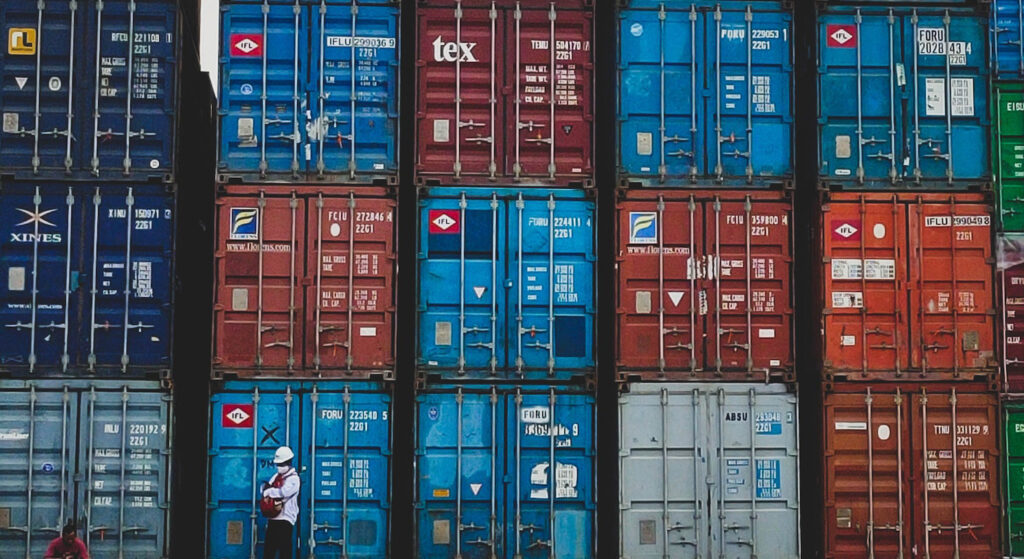
What are the materials for container labels?
Container labels are typically made of durable, weather-resistant materials that adhere securely to a variety of surfaces. The choice of container labeling material depends on factors such as the expected environmental conditions during transit, the duration of the journey, and the specific requirements of the cargo being transported. Here are some common materials used for container labels:
ntawv: Paper labels are cost-effective and widely used for container labels. They are suitable for relatively short transit times or where they are exposed to harsh environmental conditions. Txawm li cas los, paper labels may not be as durable as other materials and may tear or smudge easily.
Synthetic Materials: Synthetic materials such as polyester, polypropylene or polyethylene are popular choices for container labels due to their durability, ya noo tsis kam, chemical resistance and tear resistance. These materials have excellent printability, can withstand harsh weather conditions, and are suitable for long-distance transportation.
Vinyl: Vinyl labels are known for their durability, flexibility, abrasion resistance and resistance to harsh environments. They adhere well to a variety of surfaces including plastic, metal or glass. Cov ntawv lo vinyl feem ntau siv thaum cov thawv ntim raug rau kev ua haujlwm ntxhib lossis huab cua phem.
Cov nplaum zaj duab xis: Cov nplaum-rov qab cov yeeb yaj kiab xws li polyester lossis polypropylene feem ntau siv rau cov ntawv lo. Cov yeeb yaj kiab no muaj qhov tshwj xeeb kav ntev, noo noo thiab tshuaj lom neeg tsis kam, thiab tswj lawv cov adhesion txawm tias muaj cov xwm txheej nyuaj. Lawv feem ntau siv rau kev xa khoom ntev lossis thaum cov ntawv lo yuav tsum tau ua raws li qhov chaw tsis xwm yeem lossis nkhaus nkhaus.
Cov ntawv ci Hlau Daim Ntawv Qhia: Cov ntawv ci hlau yog qhov ruaj khov thiab muaj peev xwm tiv taus cov xwm txheej hnyav. Lawv feem ntau siv los sau cov thawv uas muaj cov khoom phom sij lossis qhov twg yuav tsum muaj kev tiv thaiv kub siab. Cov ntawv ci muaj qhov pom zoo thiab pom tau zoo, ua rau lawv tsim nyog rau cov ntawv thov uas lub neej ntev thiab nyeem tau yog qhov tseem ceeb.
Hauv kev xaus, Cov ntawv lo thawv yog cov neeg saib xyuas ntsiag to ntawm cov saw hlau, coj txoj kev taug kev ntawm cov khoom lag luam los ntawm lub hauv paus chiv keeb mus rau lub hom phiaj. Lawv yog cov xa xov rau cov ntaub ntawv, kev ruaj ntseg thiab kev ua raws cai, ua kom cov khoom lag luam uas peb vam khom ncav cuag peb kom zoo thiab nyab xeeb. Nrog kev nce qib txuas ntxiv ntawm daim ntawv lo thev naus laus zis thiab ua raws li cov kev coj ua zoo tshaj plaws, cov thawv ntawv lo yuav txuas ntxiv mus thiab ua lub luag haujlwm tseem ceeb zuj zus hauv kev hloov pauv thoob ntiaj teb logistics toj roob hauv pes, Ua kom cov lag luam thiab cov neeg siv khoom muaj kev ntseeg siab rau kev ncaj ncees ntawm cov khoom lag luam raug xa tawm. Kev nyab xeeb yog tag nrho ntawm kev ntseeg siab.


