
Ja ar gi 'yo̲t'e 'nar etiqueta, nä'ä 'naha da 'ñets'i ge ár hñei. ar he̲'mi ar etiqueta determina ntsoni final ne función nä'ä gi lograr. da da 'ñets'i ar etiqueta correspondiente nä'ä mä ya 'na'ño productos ne ya 'na'ño requisitos. Ir, Ar na mahyoni ga pädi dige ar klase ar hñei ar etiqueta ne ya 'na'ño características correspondientes ja ya 'na'ño materiales.
'nar etiqueta pegatina ir bo̲ni nu'bu̲ da nthe̲hu̲ 'ra hñu ya xeni: he̲'mi ts'o̲e, adhesivo, ne he̲'mi superficial. ar etiqueta ar despega ar he̲'mi respaldo ne tsa̲ da unir ar jar superficie varios xeni Nthuts'i jár nt'ot'e ar adhesivo. And this article is going to discuss the surface material of the label that presents the content.
There are many kinds of label materials on the market, but generally, these materials are the most common: art paper, thermal paper, PVC, PET, and BOPP. This article will briefly introduce these 5 materiales etiqueta pa ngatho ne yá características ne aplicaciones Ntheti respectivamente.
1. Art Paper
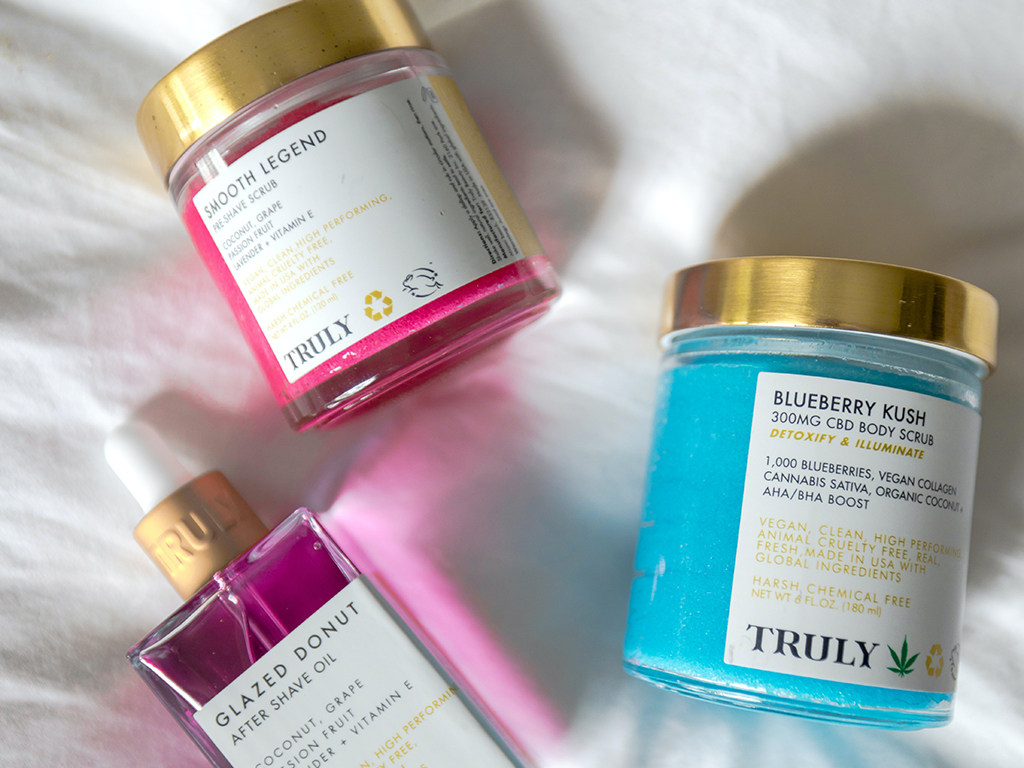
Art paper is a high-grade printing paper made of base paper and paint as the main materials. Its production process: use paper as the base, apply white pigment, adhesivo, and other auxiliary materials evenly on the base paper through the coating machine, then dry it, roll it into a roll on the winder, and then send it to the supercalender for further processing calendering.
características: smooth and flat paper surface, uniform paper quality, good gloss, firm coating, fast ink absorption, high definition of printed patterns and characters.
Disadvantages: It is not waterproof and oil-proof, the label is easy to fall off after being wet, and cannot be stored for a long time. If waterproofing is required, a layer of the membrane should be added to the label surface.
Types: semigloss paper, high gloss paper, matte paper, lightweight paper, classical paper, etc..
Campos nt'ot'e: Art paper is widely used in daily life. The book covers, picture albums, and packaging of various commodities we use every day are almost all made of coated paper. Art paper can be attached to the surface of most materials including cardboard, plastic film, and HDPE. As one of the label materials, it is widely used in semi-gloss color label printing in industrial production. Ngu: outer box labels, price labels, food labels, etiquetas cosméticas, drug labels, fragile anti-counterfeiting labels, etc..
2. Thermal Paper
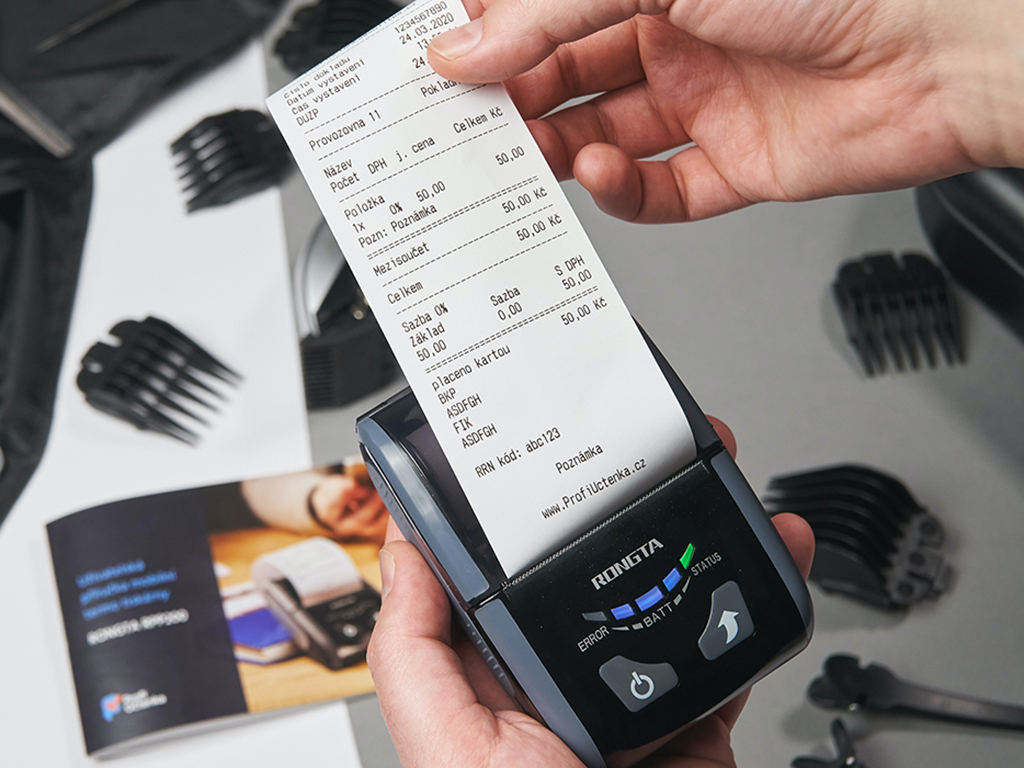
Thermal paper is a processed paper specially used in thermal printers and thermal fax machines. Its manufacturing principle is to coat a layer of “heat-sensitive paint” on high-quality base paper. This layer of paint can also be called a color-changing layer, which is composed of more than a dozen chemicals such as colorless dyes, color developers, sensitizers, fillers, adhesives, stabilizers, and lubricants. Ir, the manufacture of thermal paper will have higher requirements on process technology.
Production principle: the paper base is coated with colorless dye phenol or other acidic substances, and separated by a film. Under the condition of heating above 70°C, the colorless dye and the color developer undergo a chemical reaction to produce color and form graphics.
características: Good-quality thermal paper can be waterproof, oil-proof, and friction-resistant; no carbon ribbon and ink is needed, and the cost of consumables is low.
Disadvantages: The colored handwriting on thermal paper is unstable, easy to fade, and cannot be stored for a long time. It is necessary to avoid long-term exposure to environments above 50°C or direct sunlight to protect the image quality of the product.
Campos nt'ot'e: Thermal paper that we often come into contact with in our daily life is generally shopping receipts, price tags, and trademarks; it can also be used in fax machines; in medicine, it can be used as electrocardiographic drawings and other recording papers; there are also lottery tickets, logistics labels, etc..
3. PVC
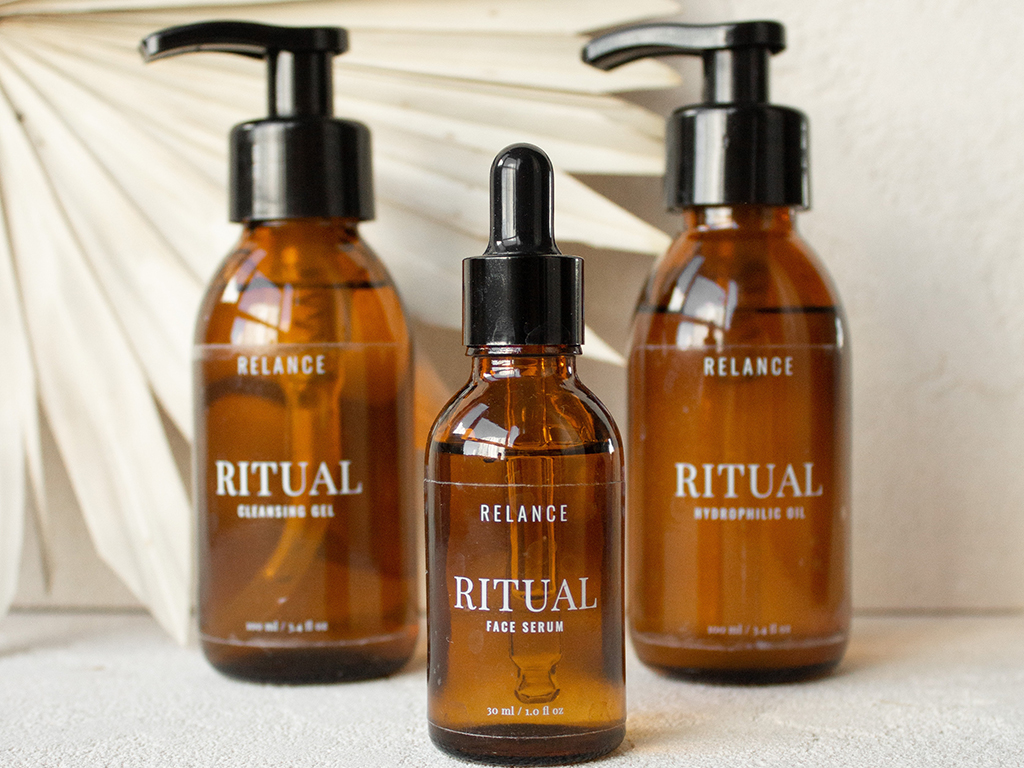
PVC is the abbreviation of Polyvinyl Chloride, which is a kind of polymer material. PVC itself has poor stability to light and heat, so some auxiliary materials such as plasticizers and anti-aging agents are added in the manufacturing process to enhance its heat resistance, toughness, ductility, etc.. PVC materials are widely used in electronics, home appliances, automobiles, chemicals, and other industries.
características: PVC labels are waterproof, oil-proof, not easy to tear, high temperature resistant, not easy to be corroded by acid and alkali, have strong stability, firm and durable, can adapt to various harsh climates, and can be used outdoors for a long time.
Disadvantages: PVC label material has poor degradability and cannot be recycled, which has a negative impact on environmental protection.
Campos nt'ot'e: Due to the remarkable advantages and flexibility of PVC materials, labels made of PVC have been widely used in various fields. According to its waterproof and oil-proof characteristics, the label can be applied to products with high environmental requirements, such as cosmetics, toilet supplies, chemical reagent bottles, Joyería, watches, and so on. 'Nehe, it is also often used in outdoor places.
4. PET
PET is the abbreviation of polyethylene terephthalate, which is a kind of polymer material. The PET raw material itself has good hard ductility, and the PET self-adhesive label has effective stiffness and strength, and there will be a sound when flicked. Compared with PVC, PET material is not flexible enough, but PET is easy to degrade, can be recycled, and has no negative impact on the environment.
características: PET material has excellent gas, water and oil barrier properties; high hardness, tear resistance, and scratch resistance; good gloss, resistance to dilute acid, dilute alkali, and most solvents. It is non-toxic, tasteless, hygienic, and safe, and can be directly used in food packaging.
Types: matte silver labels, matte white labels, bright silver labels, bright white labels and clear labels.
Campos nt'ot'e: As a plastic material, it is widely used in various fields such as electronics, automobiles, and machinery industries. Labels are often found on the packaging of wine bottles, cosmetics, food, beverages, electrical appliances, and other products.
5. BOPP
BOPP is the abbreviation of Biaxially Oriented Polypropylene. It is a film made by special processing after co-extruding polypropylene particles to form a sheet, and then stretching in both vertical and horizontal directions. BOPP film can be compounded with other materials with special properties to further improve or improve performance. Commonly used mixed materials include PE, CPP, PVDC, aluminum film, etc..
características: high hardness, tensile resistance, aging resistance, good transparency; waterproof and oil-proof, unbreakable, wear-resistant; clear printing, bright color, uniform thickness, ne brillo.
Klase: BOPP nt'axi, BOPP xí nzi, BOPP ár t'axi yá k'axt'i.
Campos nt'ot'e: nu'bya ár impermeable, ntsa̲ humedad, características hingi tóxicos ne insípidos, etiquetas BOPP ya ampliamente utilizadas jar nts'i, beverages, cosmetics, productos cuidado ar piel, ne envases farmacéuticos.
Honja da 'ñets'i ar he̲'mi etiqueta correcta?
'mefa xta introducir ya 'be̲t'o ku̲t'a pa ngatho ya materiales etiqueta, ga nthe̲hu̲ da diferencia ja ya materiales etiqueta afectará Hmunts'i función ar etiqueta. Ir, etiquetas adjuntas ja ya 'na'ño productos ja ya 'na'ño industrias 'nehe tsa to seleccionados nä'ä mä ya 'na'ño requisitos.
Then, pa da 'ñets'i 'nar he̲'mi etiqueta adecuado, sugerimos da gí empiece ya 'na'ño instituto:
1. Seleccione ar etiqueta nä'ä mä ar hñei superficie ar producto.
Etiquetas ya 'na'ño materiales tendrán 'na'ño efectos ja ya 'na'ño materiales superficies komongu ar vidrio, plástico, Metal, ne cartón. The choice is mainly based on the characteristics of the product and the needs of the merchant.
2. Select the label according to the shape of the product surface.
Da general, the surface shape of the product is divided into flat, curved and irregular surfaces. Then if the surface of the product has a certain curvature, it is necessary for the label to have a good fit.
3. Select labels according to the needs of product storage.
The storage of some products has higher environmental requirements, such as supplies for outdoor places. Ir, it is necessary to consider the waterproof, oil-proof, UV-proof, high-temperature resistance and other factors of the label.
When choosing label materials, we generally consider the following dimensions:
·Material hardness and toughness
·Transparency and gloss of the material
·Waterproof and oilproof ability of the material
·Ink-absorbing effect of the material
·The impact of materials on the environment
ZLLABEL will provide you with more suggestions on material selection according to your product and demand, welcome to consult us!


