
industria ar embalaje xi presenciado avances notables a lo largo de ya je̲ya, ofreciendo 'nar nt'ot'e ho 'bui ndunthe gama opciones pa productos etiquetado ne marca. Etiquetas autoadhesivas xi ganado popularidad nu'bya ár facilidad nt'ot'e, durabilidad, ne atractivo estético. Nu'bu̲ t'o̲t'e xito vidrio ne plástico, selección ar he̲'mi autoadhesivo adecuado ar crucial pa xi hño da ja ya etiquetas soportan ndunthe ya nkohi ambientales ne mejoran ar atractivo visual ar producto. Nuna ar Nthuts'i proporciona 'nar guía nxo̲ge pa bí da 'BATS'I da nt'ent'i informadas ja ar da 'ñets'i materiales autoadhesivos pa xito vidrio ne plástico.
nthekute pa ya xito vidrio
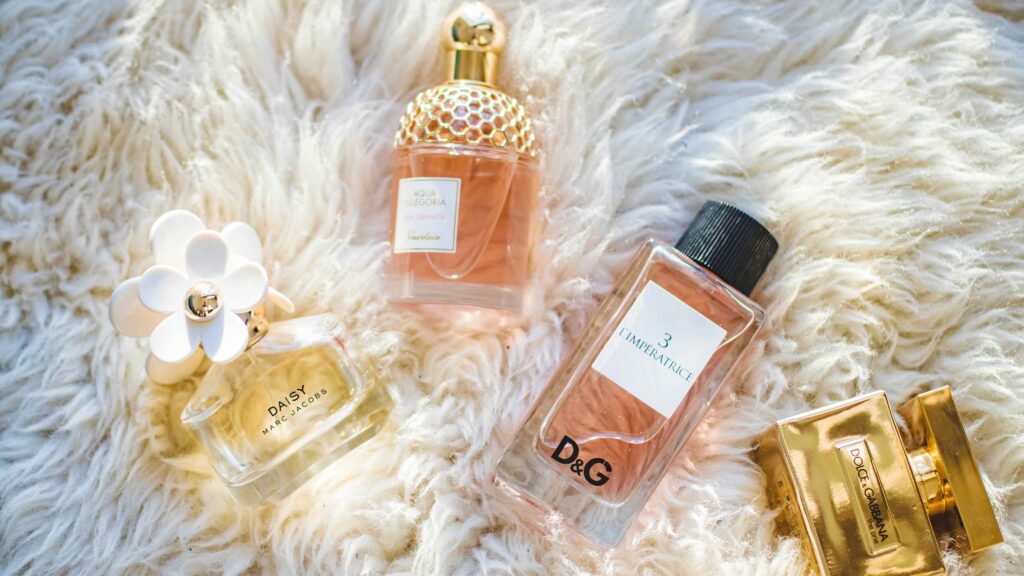
Ya xito vidrio exudan 'nar aspecto premium ne elegante, making them a preferred choice for various products such as perfumes, premium beverages, and cosmetics. When selecting self-adhesive materials for glass bottles, keep the following factors in mind:
1.Transparency and Clarity: Opt for materials that are transparent or offer a high level of clarity. This ensures that the label doesn’t obstruct the view of the product inside the bottle. Clear filmic materials or acetate labels are popular choices for glass bottles.
2.Resistance to Moisture: Glass bottles are often stored in refrigerated environments or might come into contact with moisture during transportation. Choose self-adhesive materials that are resistant to moisture to prevent label deterioration and ensure the label remains intact.
3.Adhesive Strength: Glass surfaces can be smooth, and labels must adhere strongly to avoid peeling or lifting. Select materials with a strong adhesive designed for glass bonding.
4.UV Resistance: If the product is likely to be displayed in outdoor or well-lit areas, UV resistance is crucial to prevent fading and ensure the label’s longevity.
5.Temperature Resistance: Consider the temperature conditions the glass bottles might be exposed to. Labels should be able to withstand both low and high temperatures without losing their adhesive properties.
Considerations for Plastic Bottles
Plastic bottles are versatile and commonly used for a wide range of products, from beverages to household cleaning solutions. When choosing self-adhesive materials for plastic bottles, focus on the following aspects:
1.Flexibility: Plastic bottles are often squeezed or deformed during use. Optar ya materiales ya flexibles ne xi adaptar bí dets'e ar xito hinda arrugar wa pelar.
2.Resistencia química: Ya xito plástico ya susceptibles da dañar productos químicos ja ar producto wa Nxoge ar limpieza. Da 'ñets'i materiales ke ya resistentes ja ya productos químicos específicos 'bui ja ar producto pa nu'bu ar deterioro ar etiqueta.
3.Compatibilidad ar superficie: Ya xito plástico ba ndunthe ya texturas ne ar acabados. Seleccione materiales autoadhesivos nä'ä xi adherir ko ya eficacia ar klase específico ar plástico utilizado pa ar xito, nu'bu̲ ar PET, PVC, HDPE, wa gi variante.
4.Durabilidad: Xito plástico podrían almacenar ar jar nkohi ho encuentren ar nts'edi wa abrasión. Ya etiquetas tsa to nä'ä suficientemente durables pa soportar nuya desafíos hinda desgaste wa descolorido.
5.Opciones respetuosas ar nt'uni mbo jar ximha̲i: Ko creciente conciencia ambiental, consider self-adhesive materials that are eco-friendly, such as those made from recycled materials or that have sustainable adhesive properties.

Common Self-Adhesive Material Options
Paper labels:
- Paper labels are one of the most cost-effective options.
- They are suitable for short-term applications and products that will not be exposed to moisture or rough handling.
- 'Ñotho ar embargo, they may not adhere well to glass surfaces, especially smooth or curved glass surfaces.
Film label:
- Film labels are versatile and can be used on both glass and plastic bottles.
- They are available in a variety of finishes such as clear, metallic and matt, offering a range of visual effects.
- These labels offer exceptional durability and are resistant to moisture, oil and general wear and tear.
- They can be used for long-term applications and are ideal for products requiring a premium appearance.
Polyester label:
- Also known as PET labels, they offer exceptional durability and clarity.
- They are water, oil and chemical resistant for products that may encounter harsh conditions.
- Polyester labels have excellent dimensional stability, which means they won’t shrink or expand when exposed to different temperatures.
Polypropylene labels:
- Polypropylene labels are durable and resistant to water, oil and chemicals.
- They can withstand a variety of environmental conditions. They maintain their integrity even when exposed to varying temperatures and challenging environmental conditions.
- These labels are typically used on products that need to withstand outdoor or industrial environments.
Polyethylene label:
- Polyethylene labels are perfect for bottles made of HDPE (High-Density Polyethylene) plástico.
- They are water and chemical-resistant and can withstand outdoor conditions.
- These labels are commonly used on products such as shampoos, detergents and other household items.
When choosing self-adhesive materials for glass and plastic bottles, consider the unique properties of each material. Glass bottles need transparent, ntsa̲ humedad, and strong adhesion materials. Plastic bottles require labels that are flexible, chemically resistant and able to withstand a variety of environmental elements. The material you choose depends on factors such as the intended use of the product, the material of the bottle, the environmental conditions it will be exposed to, and the desired visual appearance. Ar mahyoni probar ar hñei seleccionado 'nar t'olo escala nu'bu thoka jar producción nxo̲ge pa xi hño da da tso̲ni yá requisitos.

Njäts'i nu'bu
da 'ñets'i ar hñei autoadhesivo adecuado pa xito vidrio ne plástico ar crítico pa da zeti ar atractivo ne ya 'mui ar producto. entendiendo ya requisitos específicos ár producto ne ár he̲'mi envasado, Nu'i gí tsa̲ da xi hño da ja da ár etiqueta hingi ho̲ntho mejora ar atractivo visual pe tsa̲ da soportar ya desafíos jár ta̲i. ¿Tobe gi 'bu̲hu̲ bí ntuhni ko Temu̲ hñei pa personalizar ar etiqueta? Ga japi ar jar contacto ko ar equipo xi hño ar ZLLABLE pa da hyoni ar mäs xi hño he̲'mi etiqueta ne diseño pa ár producto!


