

Wine is a kind of wine made from grapes. There are many people who like wine, and its market demand is relatively large. For wine manufacturers, improving the quality of wine is a very important part of increasing the sales of wine. But in addition to simply improving quality, wine labels are also an essential part of the wine production process. The material of the self-adhesive label has a great influence on the overall effect of the self-adhesive label.
So what are the common raw materials and production processes for wine labels? This article will start from these two aspects to provide you with inspiration for making and choosing wine labels.
Temu̲ ge 'nar etiqueta ar bino?

'nar etiqueta ar bino ge ar identificación ja 'nar paquete ar biho. Proporciona ya consumidores kasu̲ nga̲tho ar ungumfädi mahyoni dige ar biho, nu'bu̲ da nthe̲hu̲ 'ra da 'ñent'i thuuhu ar bino, 'mui , 'rini, variedad, je̲ya, identificación ar 'rini, variedad uva, dulzura, contenido alkol, pa elaboración, pa elaboración ne gi ungumfädi. tsa̲ da utilizar ar pa da 'BATS'I ya consumidores da t'ode ar hño ne ar ungumfädi ya vinos, Pa da tsa da 'ñets'i ya vinos adecuados.
'nar etiqueta ar bino ge 'nar portador ungumfädi mahyoni pa ar bino, Ne ar diseño ne ar impresión proceso ar etiqueta ar bino 'ñeni 'nar he̲'mi fundamental jar mostrar ar 'mui ar bino. Ngu 'nar rama mahyoni hwähi etiquetas, Etiquetas ar bino pe̲ts'i yá propias características únicas. Nu'bu̲ ge 'nar intento audaz jar materiales wa 'nar diseño innovador ar artesanía, Ga̲tho refleja ár njäts'i pa da t'ot'e influencia ar bino mextha gama.
Temu̲ materiales ya etiquetas ar bino hechas ar?

Ndezu̲ ar perspectiva nt'ot'e hñei, ya materiales comúnmente utilizados pa etiquetas ar bino ar dividen jar: etiquetas autoadhesivas ar he̲'mi, etiquetas autoadhesivas ar metal, etiquetas autoadhesivas ar hñei transparente, etc.. 'Bu̲'bya, ya etiquetas pa ngatho ar bino jar jár ta̲i ya principalmente etiquetas autoadhesivas ar he̲'mi. ir otra parte, kasu̲ nga̲tho ya materiales etiquetas etiquetas ya materiales específicos ar bino. ya características ar reflejan principalmente jar yoho ya 'na'ño institución: ntsa̲ humedad ne resistencia cubo hielo. ar estética ar reflejan principalmente jar njät'i ar he̲'mi, Textura, ne atractivo visual. Nuya ya 'rato materiales pa ngatho ya etiquetas.
1. He̲'mi revestido
he̲'mi revestido ge 'na ya he̲'mi mäs comúnmente utilizados pa etiquetas ar bino. etiquetas ar bino he̲'mi recubierto pe̲ts'i ya características superficie lisa ne delicada, mextha blancura, mfeni absorción tinta xí nze̲di, ne precio hñets'i'i. Its printing color reproduction is relatively high, and it is a very cost-effective choice. Coated paper is generally divided into matt coated paper and glossy coated paper, and the difference between the two is mainly in terms of gloss.
2. White art paper
This is an art paper with fine dot texture on the surface, which belongs to specialty paper. Compared with coated paper, the degree of printing color reproduction will be worse, but it has a stronger texture. It has higher requirements for the texture bronzing process. 'Nehe, the texture of white cotton paper is very similar to that of white art paper, but during printing, due to the high water absorption of white cotton paper, the printing color will be darker than that of white art paper, so we need to pay attention when choosing white cotton paper.
3. Gold and silver platinum paper
Gold silver platinum paper is one of the commonly used materials for wine self-adhesive labels. It has a golden or silver sheen and is often used on relatively high-end products. The price will be relatively more expensive.
4. Pearl paper
Pearl paper is sometimes used when making wine labels. The surface of pearlescent paper itself is glossy, and the physical presentation will give people a rich and bright visual sense, and it is mostly used in ice wine products. The colors in the pearlescent paper include beige pearlescent and ice white pearlescent, etc.. Hä, there are also different textures. The cost of pearlescent paper is relatively high.
5. Conqueror paper
Conqueror paper is a special kind of paper with a thin strip texture. The paper is relatively thick and is widely used in business cards. The beige conqueror paper used in wine labels is also common. We will see that many French wines of the old century are made of just ancient paper, and this material itself will give people a sense of antiquity.
6.PVC paper
PVC label paper has been used by most wine merchants in the past two years. The physical effect of wine labels is very close to the effect of metal labels, but the price is much lower than that of metal materials.
Common craftsmanship for wine labels
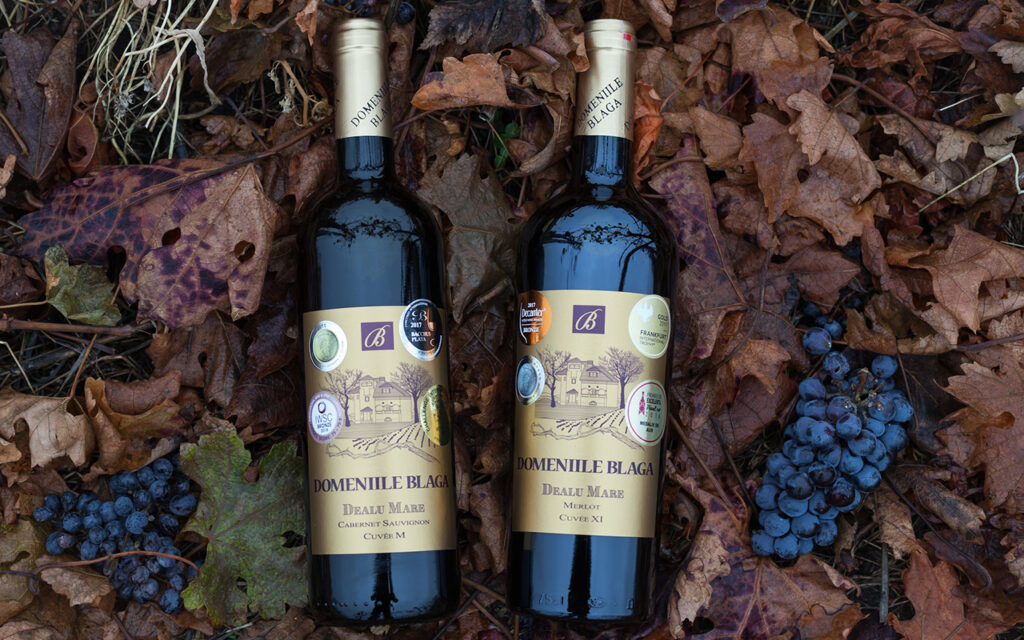
Commonly used printing processes for wine labels include offset printing, flexo printing, digital printing, etc.. Wine labels have the characteristics of many varieties, small quantity, and poor paper flatness. Ir, in the selection of printing process, most wine labels adopt the offset printing process with the advantages of fast plate change, high pressure, and high color reproduction. In recent years, with the continuous development of digital printing, it has gradually been applied to the production process of wine labels.
In order to highlight the grade of wine, the post-press finishing process of wine labels is more widely used, including bronzing, screen, embossing, die-cutting, slitting and other processes.
1. Bronzing is an indispensable process on wine labels. Bronzing is divided into hot stamping and cold stamping, and hot stamping is now used more. The hot stamping effects mainly include flat ironing, embossing ironing, and texture ironing, mainly to increase the gloss, three-dimensional effect and metallic feeling of the label.
2. The screen mainly includes the use of embossed oil, asete esmerilado, asete luminoso, ne tinta njät'i mancha, nä'ä to mejorar ar estratificación, sensación elevada ne esmerilada ar etiqueta. tintas hontho xi mostrar efectos komongu ar luminiscencia, sensibilidad ar mpat'i, ne ma'ra propiedades funcionales.
3. proceso relieve to da t'ot'e 'nar ntsoni relieve pa gi ar etiqueta mäs atractiva, ar tema xí neki, ne ar textura xí rika.
4. troquelado ar principalmente pa ar ts'ut'ubi etiquetas pa ajustar ar klase ne ar diseño xito. proceso troquelado ngetho ge hontho to mejorar ar decoración ne ar estética ar etiqueta.
Contenido 'nar etiqueta ar bino
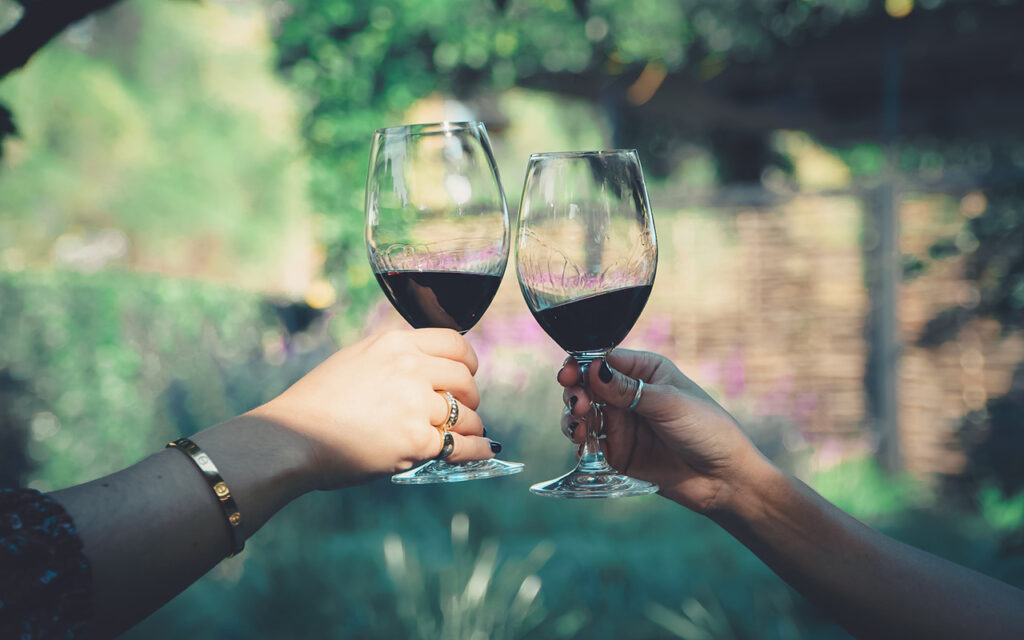
etiquetas ar bino contienen kasu̲ nga̲tho ar ungumfädi dige ar biho, principalmente da 'ñent'i nä'ä da ku̲hu̲:
1. ar thuhuu, 'mui , lugar ar 'rini, variedad, je̲ya, etiqueta lugar ar 'rini, variedad uva, pa elaboración, ne ar pa ar producción ar vino.
2. ár nduni ar biho, thuuhu ar viña, ne ar ora ne ar pa da bí producido ar vino.
3. The quality, aroma, taste and color of wine.
4. Wine packaging, transporte, storage information, and wine label warranty information;
5. Wine sales channels, prices, product categories, packaging and other information.
Pa resumir ma, there are many types of materials and processing techniques for wine label materials. You can customize a suitable label according to your wine type and brand style.


